What Is a Polymer80 Frame?
What Is a Polymer80 Frame?
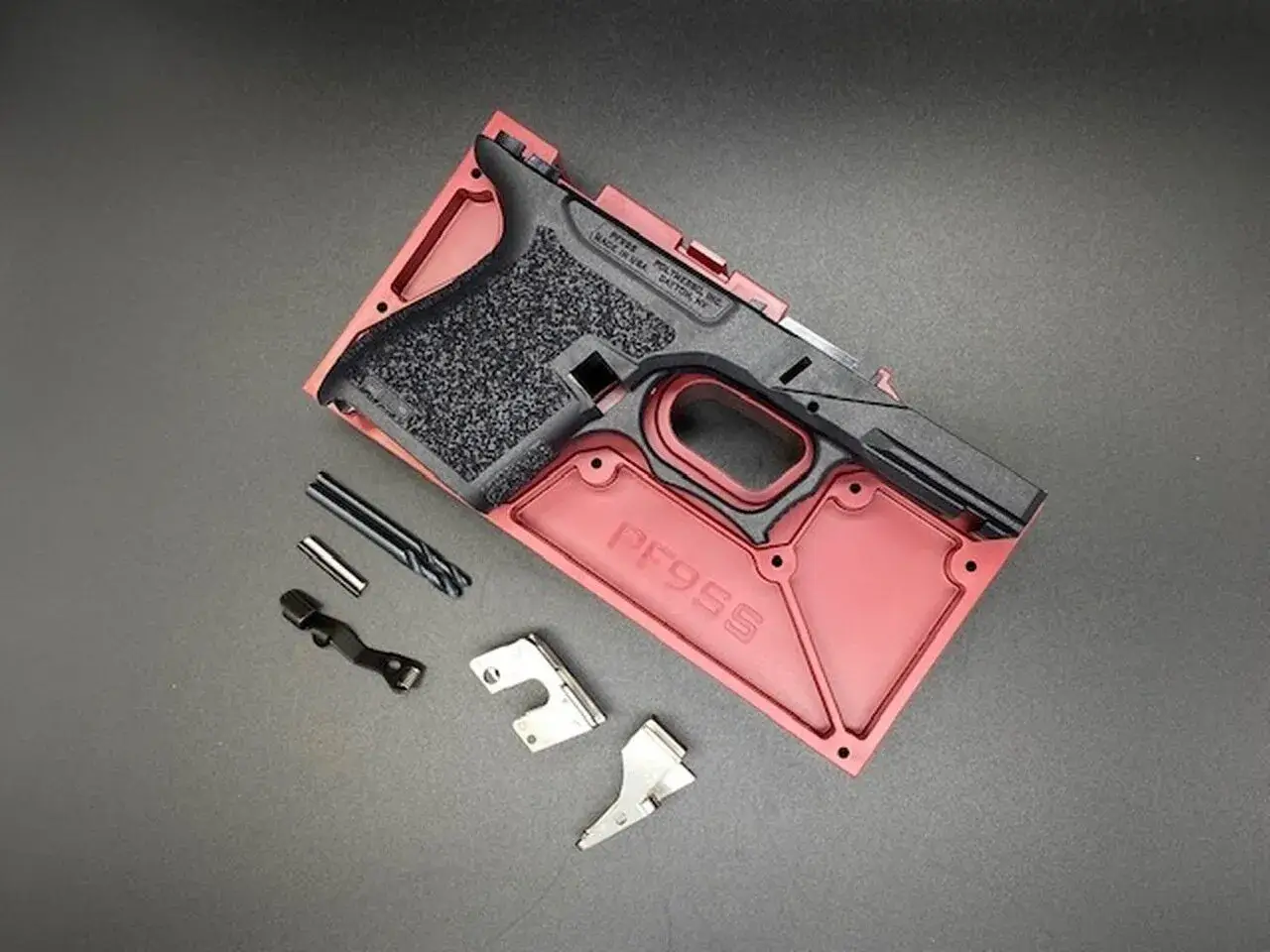
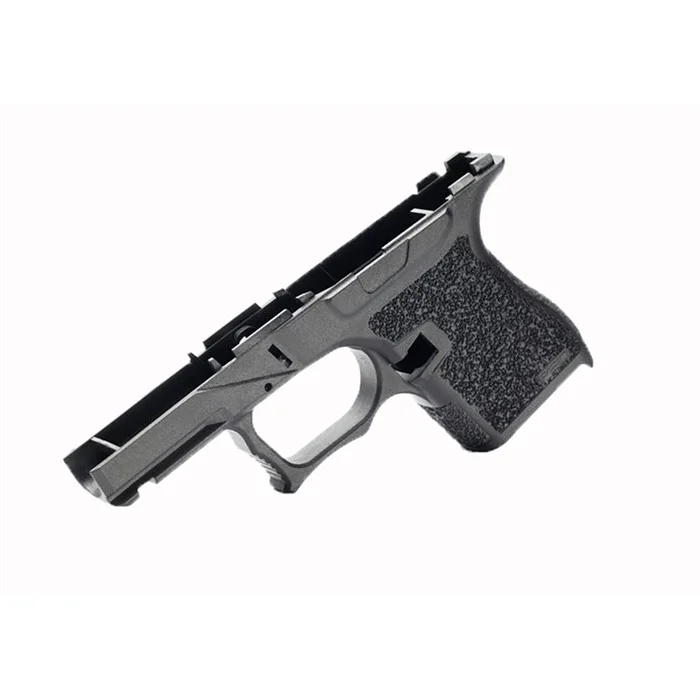
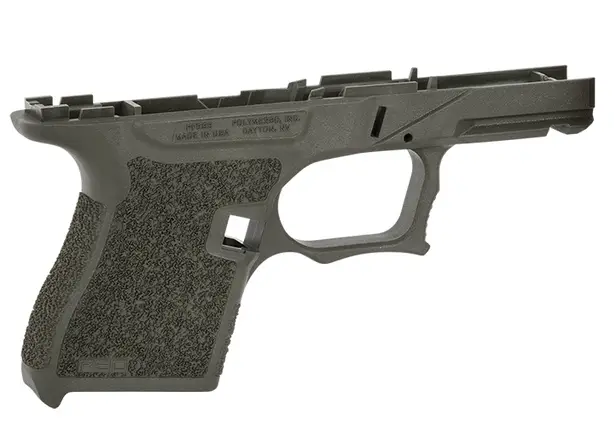
You’ve seen the term “80% frame” and maybe even handled a finished Glock, but the Polymer80 PF940v2 is the part that bridges the gap. It’s not a firearm; it’s a polymer receiver blank, precisely molded with critical fire control areas unfinished, requiring you to complete the machining. This process, often done with a basic drill press or hand tools, transforms an inert block of reinforced polymer into a functional firearm frame. The result is a custom pistol built to your specifications, not a factory’s assembly line.
The Core Concept: An 80% Receiver
Legally, a firearm’s serialized part is the frame or receiver. An 80% frame is manufactured to be approximately 80% complete, missing the final machining that would classify it as a firearm under federal law. For a Polymer80 frame, this means the fire control cavity (where the trigger mechanism sits) and the rear rail pin holes are intentionally left as solid polymer blocks or undersized pilot holes. Because it’s not a firearm when sold, it can be shipped directly to your door without an FFL transfer. The act of drilling, milling, and finishing these areas is what creates the functional frame. It’s a project that demands attention to detail, but it demystifies the inner workings of a striker-fired pistol.
Materials and Construction: More Than Just Plastic
Don’t let the “polymer” name fool you. These aren’t flimsy. Polymer80 frames use a proprietary glass-filled nylon polymer, similar to what’s used in factory Glock frames but often with a more aggressive texture. The reinforcement provides the necessary tensile strength and durability to handle repeated firing cycles. Key metal components are embedded during the molding process: the front and rear rail modules, made from hardened steel, are cast directly into the polymer. These rails are what your slide reciprocates on, and they’re the critical interface for reliability. The locking block, also steel, is integrated for the barrel to lock up with. This hybrid construction gives you the lightweight, corrosion-resistant benefits of polymer with the hardened wear surfaces where you need them.
The Build Process: From Blank to Functional Frame
Completing a Polymer80 frame is a hands-on project. Using the provided jig, you’ll drill the three pin holes (trigger, locking block, and rear rail) and then use an end mill or hand files to clear out the fire control cavity. The jig ensures proper alignment. The most critical step is the rear rail installation; sometimes these require minor fitting or sanding for a perfect fit with your parts kit. Once the holes are clean and the cavity is clear, you install your lower parts kit (LPK), which includes the trigger, connector, slide lock, and pins. After that, you mate the completed frame with a slide assembly, barrel, and recoil spring. A proper build results in a tight, rattle-free pistol that functions as reliably as any factory offering.
Legal Landscape and Responsible Building
It is 100% legal for an individual to manufacture a firearm for personal use without a serial number, provided they are not prohibited from possessing firearms. This is federal law. However, you cannot build it with the intent to sell it. Once you manufacture it, it must remain in your possession. State laws vary dramatically. Some states, like California, New York, and New Jersey, have explicitly banned possession or completion of unserialized frames. It is your absolute responsibility to know and comply with your state and local laws before purchasing or starting a build. Building a firearm is a serious undertaking that requires a commitment to safety, function checking, and legal compliance.
What is a Polymer80 frame?
A Polymer80 frame is an unfinished firearm receiver, typically made from reinforced polymer, that is about 80% complete. It is not considered a firearm when sold and requires the end user to perform final machining (drilling and milling) to create a functional frame for building a pistol, such as a Glock-compatible handgun.
How are Polymer80 frames made?
They are injection molded using a proprietary glass-filled nylon polymer. During molding, hardened steel rail components and the locking block are embedded into the polymer. The mold leaves critical areas—like the fire control cavity and rear rail pin holes—as solid polymer, which the end user must machine out to complete the frame.
Browse our polymer80 frames collection
Last updated: April 05, 2026